Abstract
Carbon Steel Checkered Plate is widely used in industrial flooring, transportation platforms, construction walkways, and heavy-duty environments due to its anti-slip surface and structural durability. However, selecting the right specification is not always straightforward. Buyers often struggle with material thickness, pattern type, load-bearing requirements, corrosion resistance, and cost efficiency. This article provides a structured guide to help engineers, contractors, and procurement managers make informed decisions, avoid common pitfalls, and maximize long-term value when sourcing carbon steel checkered plates.
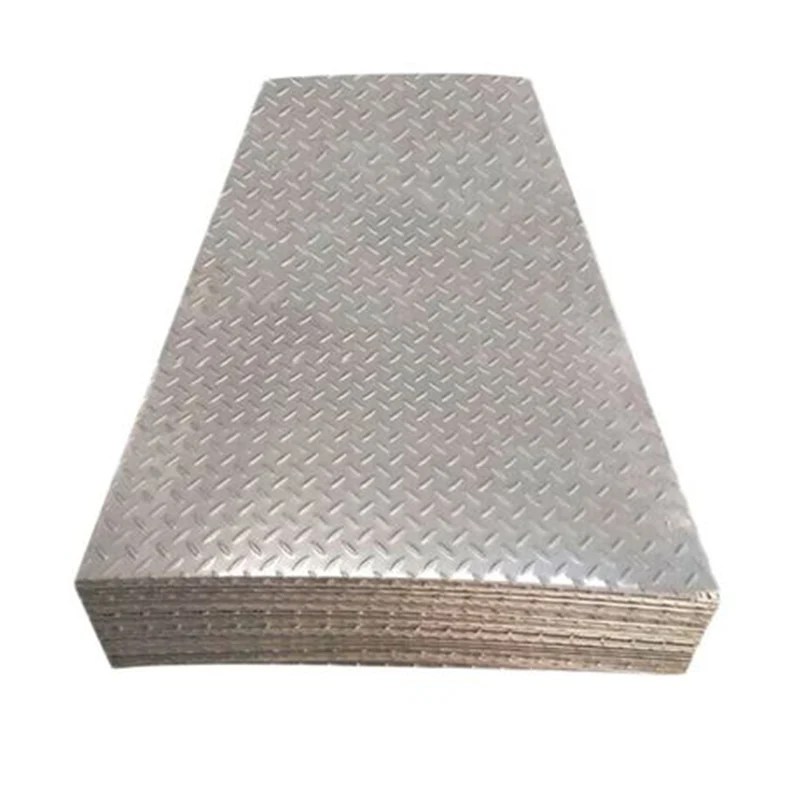
Carbon Steel Checkered Plate, also known as tread plate or diamond plate, is a type of steel sheet with a raised pattern on one side. The pattern improves traction and reduces the risk of slipping, making it ideal for environments where safety is critical. The base material is carbon steel, which provides excellent mechanical strength, weldability, and cost efficiency compared to stainless alternatives.
The raised patterns are typically designed in diamond, lentil, or teardrop shapes. These patterns are not only functional but also help distribute load and improve surface rigidity under pressure.
Carbon Steel Checkered Plate is used across multiple industries due to its balance of durability and affordability. Common applications include:
In high-traffic areas, its anti-slip surface significantly improves safety performance, especially in environments exposed to oil, moisture, or dust.
Choosing the correct Carbon Steel Checkered Plate requires evaluating several technical and environmental factors. Below are the key considerations:
A frequent mistake buyers make is underestimating load distribution. For example, platforms supporting machinery require thicker plates and reinforced substructures.
| Specification | Light-Duty Use | Medium-Duty Use | Heavy-Duty Use |
|---|---|---|---|
| Thickness | 2–3mm | 4–6mm | 6–10mm |
| Typical Application | Walkways, stairs | Truck floors, platforms | Industrial machinery bases |
| Load Capacity | Low | Medium | High |
| Cost Level | Low | Moderate | High |
Understanding both strengths and constraints helps ensure proper application.
Advantages:
Limitations:
Proper installation directly impacts the performance and lifespan of Carbon Steel Checkered Plate. Key guidelines include:
Maintenance is relatively simple but essential. Cleaning debris and preventing prolonged water exposure significantly extends service life.
Q1: Is Carbon Steel Checkered Plate suitable for outdoor use?
Yes, but it should be galvanized or coated to prevent corrosion in outdoor environments.
Q2: What is the difference between checkered plate and flat steel plate?
The key difference is the raised pattern on the surface of checkered plates, which provides anti-slip functionality.
Q3: Can it be cut and welded easily?
Yes, carbon steel checkered plate has excellent machinability and is widely used in fabrication projects.
Q4: How do I choose the right thickness?
Thickness depends on load requirements. Light pedestrian use requires thinner plates, while machinery platforms require thicker specifications.
Q5: Does it require maintenance?
Yes, periodic inspection and rust prevention treatment are recommended, especially in humid or coastal regions.
Selecting the right Carbon Steel Checkered Plate is not only about material choice but also about understanding operational demands, environmental conditions, and long-term maintenance expectations. A well-chosen specification ensures safety, reduces downtime, and improves structural efficiency.
For reliable sourcing and consistent product quality, Wanhetong Steel Co., Ltd. provides professionally manufactured Carbon Steel Checkered Plate solutions tailored to industrial requirements. With controlled production standards and flexible customization options, it supports global construction and engineering projects with stable supply capacity.
More product details can be found at: https://www.wht-steel.com/carbon-steel-checkered-plate
If you are looking for competitive pricing, technical consultation, or customized specifications, feel free to contact us today. Our team is ready to support your project requirements with professional guidance and prompt response.