Carbon Steel Coil is one of the most widely used foundational materials in modern manufacturing and construction industries. Its versatility, mechanical strength, and cost efficiency make it a preferred choice across automotive, infrastructure, machinery, and fabrication sectors. However, many buyers face challenges in selecting the right grade, understanding processing methods, and ensuring consistent quality across suppliers. This article provides a comprehensive explanation of Carbon Steel Coil—from production principles and material properties to application scenarios and selection strategies. It also highlights how Wanhetong Steel ensures stable supply quality and supports industrial users in solving procurement pain points.

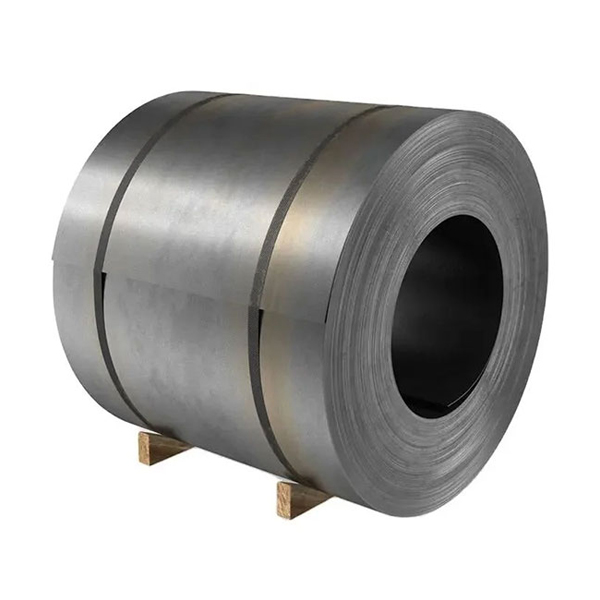
Carbon Steel Coil is a flat-rolled steel product made primarily from iron and carbon, with trace elements such as manganese, silicon, and sulfur. It is produced in coil form to facilitate storage, transportation, and downstream processing such as cutting, stamping, welding, and forming.
Unlike alloy steels, carbon steel relies mainly on carbon content to determine its hardness, ductility, and tensile strength. This makes it highly adaptable for general-purpose industrial applications where extreme corrosion resistance is not the primary requirement.
Depending on carbon content, it can be classified into low carbon steel, medium carbon steel, and high carbon steel, each serving different engineering and manufacturing needs.
The manufacturing of Carbon Steel Coil involves a series of controlled metallurgical and mechanical processes designed to achieve consistent structural integrity and surface quality.
At Wanhetong Steel, each stage is monitored under strict process control systems to ensure uniform thickness, consistent mechanical properties, and reliable performance in downstream processing.
Carbon Steel Coil offers a balanced combination of mechanical strength and manufacturing flexibility. Its core properties include:
These characteristics make it an essential material for industries requiring scalable production without compromising structural reliability.
Carbon Steel Coil is used in a wide range of industries due to its adaptability and mechanical performance.
The versatility of Carbon Steel Coil allows manufacturers to reduce material complexity while maintaining structural performance across different product lines.
Selecting the correct Carbon Steel Coil is critical for ensuring production efficiency and product durability. Key selection criteria include:
Buyers often underestimate the importance of matching coil specifications with processing equipment. Improper selection can lead to cracking, deformation issues, or production downtime.
Wanhetong Steel places strong emphasis on quality stability and traceability across its Carbon Steel Coil production lines. Every coil undergoes multi-stage inspection before delivery.
Through these systems, Wanhetong Steel ensures that industrial buyers receive consistent, specification-compliant materials that reduce production uncertainty and improve downstream efficiency.
| Type | Carbon Content | Strength | Ductility | Main Usage |
|---|---|---|---|---|
| Low Carbon Steel Coil | 0.05% - 0.25% | Medium | High | Automotive panels, general fabrication |
| Medium Carbon Steel Coil | 0.25% - 0.60% | High | Medium | Machinery parts, structural components |
| High Carbon Steel Coil | 0.60% - 1.00% | Very High | Low | Cutting tools, high-strength applications |
Industrial buyers often encounter several challenges when sourcing Carbon Steel Coil. Understanding these issues helps improve procurement efficiency.
Wanhetong Steel supports customers by providing technical guidance and ensuring that each coil matches exact production requirements, minimizing waste and improving operational efficiency.
Q1: What is the difference between hot rolled and cold rolled Carbon Steel Coil?
Hot rolled coils are processed at high temperatures and have a rougher surface, while cold rolled coils offer higher precision and smoother finish.
Q2: Can Carbon Steel Coil be used outdoors?
Yes, but it typically requires protective coatings such as galvanization or painting to prevent corrosion.
Q3: How do I determine the correct thickness?
Thickness depends on structural requirements, load conditions, and manufacturing process limitations.
Q4: Why choose Wanhetong Steel?
Wanhetong Steel provides consistent quality control, stable supply capacity, and technical support tailored to industrial applications.
Carbon Steel Coil remains a foundational material across global manufacturing industries due to its balance of strength, adaptability, and cost efficiency. Selecting the right supplier and specification is critical to ensuring production stability and product performance. With its strict quality systems and technical expertise, Wanhetong Steel continues to support industrial buyers in achieving reliable and efficient material sourcing solutions.
For detailed specifications, bulk orders, or technical consultation, Wanhetong Steel is ready to support your business needs. Contact us today to discuss your Carbon Steel Coil requirements and receive a tailored solution for your project.