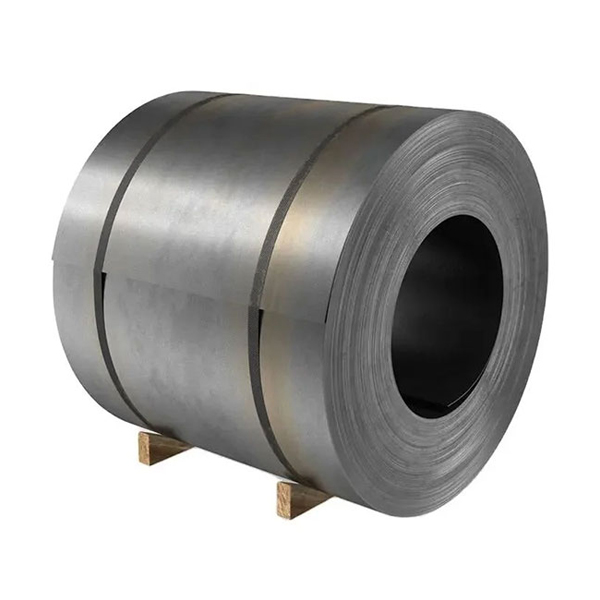
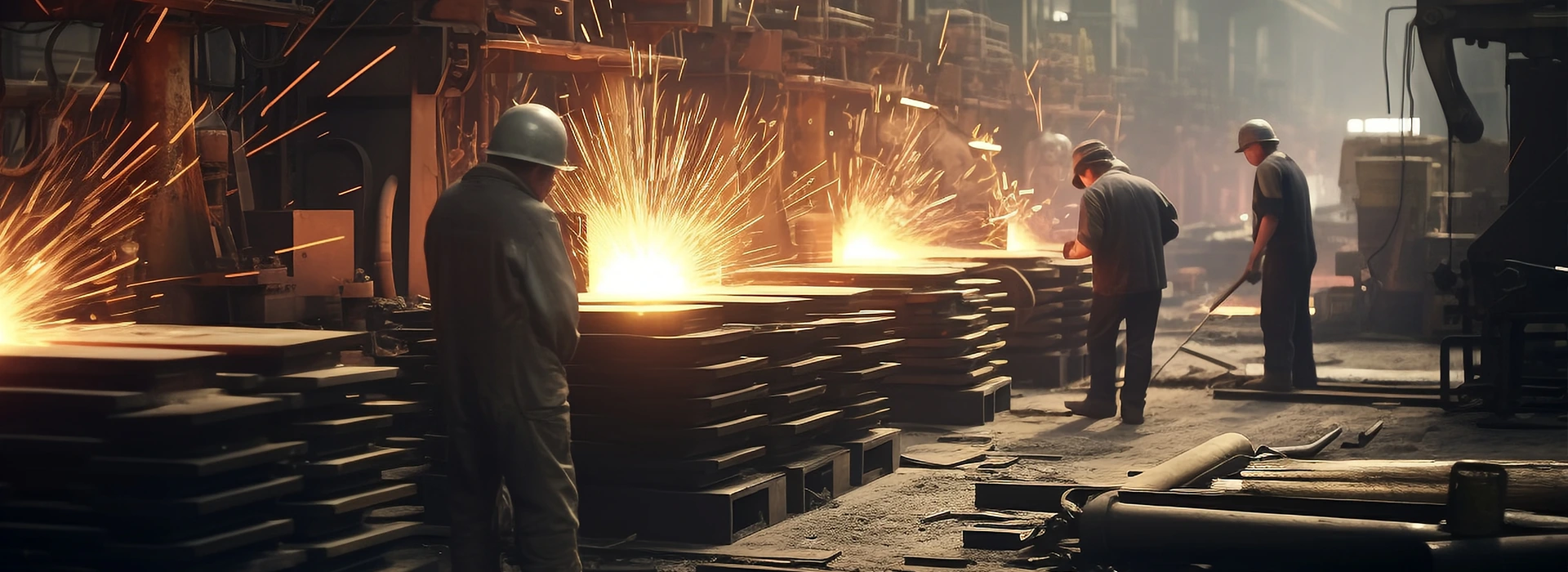
Carbon steel plate is used across construction, machinery, transportation, energy equipment, and general metal fabrication. Its performance depends on factors such as chemical composition, steel grade, thickness, heat treatment, and manufacturing condition. As a result, material selection needs to consider the actual service and fabrication requirements rather than thickness or dimensions alone.
Different grades provide different combinations of strength, toughness, weldability, formability, and hardness. These differences are important when selecting material for structural components, machinery, pressure equipment, and other fabricated products.
Carbon steel plate is a flat steel product in which carbon is the principal alloying element, with manganese and other elements present within specified limits. The composition and grade influence properties such as tensile strength, hardness, ductility, and weldability.
The material is commonly produced by hot rolling and supplied in different thicknesses, widths, lengths, and grades. Depending on the application, it can be cut, formed, welded, machined, or processed further during fabrication.
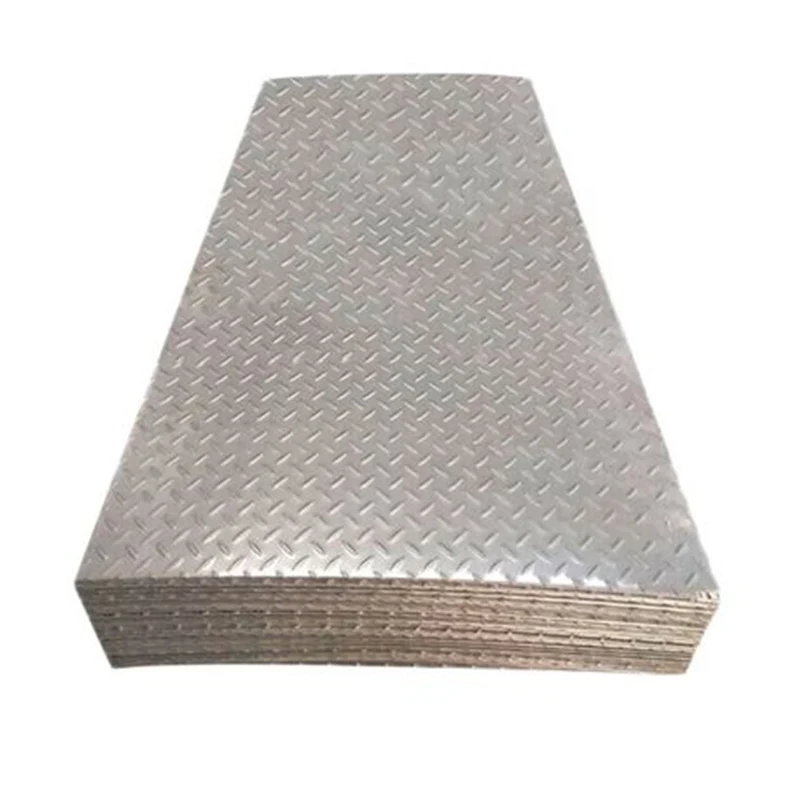
Carbon steels are often grouped by carbon content, although engineering specifications are normally based on a particular grade and standard. Low-, medium-, and high-carbon materials have different characteristics and are therefore used for different purposes.
Low carbon steel contains a relatively small amount of carbon and is generally easier to weld and form than higher-carbon grades. It is commonly used for structural fabrication, frames, brackets, general machinery, and other components requiring moderate strength and straightforward processing.
Medium carbon steel provides a higher level of strength and hardness than low-carbon grades. It can be used for machinery components, shafts, structural parts, and other applications where mechanical performance is more important than maximum formability.
Higher carbon content can increase hardness and strength while reducing ductility and weldability. These materials are therefore more suitable for applications requiring increased hardness or wear resistance, subject to the requirements of the specific grade.
The properties of a steel plate are determined by its grade, chemical composition, thickness, heat treatment, and production condition. The following characteristics are commonly reviewed during material selection.
The suitable grade depends on the service environment, loading conditions, fabrication process, and applicable standard. Common applications include the following.
Steel plates are used for base plates, support frames, platforms, brackets, structural members, and fabricated steel structures. Material selection generally considers strength, thickness, weldability, and the relevant structural specification.
In machinery manufacturing, these materials can be used for equipment frames, buckets, brackets, structural assemblies, and other fabricated parts. Where abrasion or repeated loading is a major concern, higher-strength or wear-resistant grades may be specified.
Selected grades are used in boilers, pressure vessels, tanks, and related equipment. Such applications may require specific mechanical properties, impact testing, heat treatment, thickness controls, and inspection procedures defined by the applicable standard.
Steel plate is also used in trailers, railway equipment, ship structures, and other transportation-related components. The required material depends on structural loads, operating conditions, welding procedures, and the applicable industry specification.
Material selection should begin with the intended service conditions and fabrication process. Meeting a required thickness does not necessarily mean that a particular grade is suitable. Mechanical properties, welding characteristics, temperature conditions, and applicable standards should also be reviewed.
Key considerations include grade, thickness, dimensions, yield strength, tensile strength, impact requirements, welding method, forming requirements, operating temperature, and the applicable ASTM, EN, JIS, or other specification.
For welded structures, carbon equivalent may also need to be considered, particularly when working with higher-strength or higher-carbon grades. Pressure equipment and other regulated applications may have additional material, testing, and inspection requirements.
Steel plates are manufactured according to different national and international standards. These specifications can define chemical composition, mechanical properties, dimensional tolerances, testing methods, and delivery conditions.
For example, ASTM A36 is commonly associated with general structural applications, while ASTM A516 covers grades used for certain pressure vessel applications. A similar grade designation does not necessarily mean that two materials are interchangeable. The complete standard, chemical composition, mechanical properties, and delivery condition should be reviewed before making a substitution.
A complete specification should provide enough information for the material to be manufactured, inspected, and used correctly. Typical details include:
Defining these requirements before production helps ensure that the selected material is consistent with the design, fabrication process, inspection requirements, and intended service conditions.