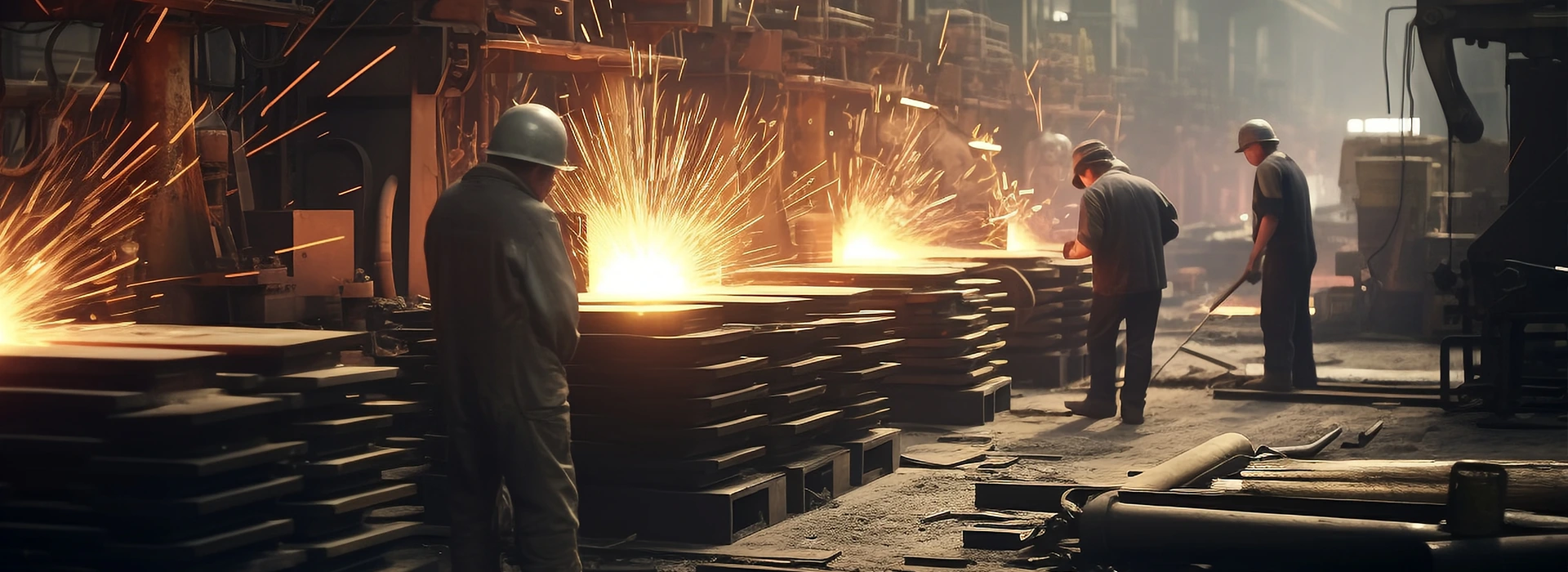
Carbon Steel Plate is a foundational material across construction, manufacturing, energy, and heavy industry. Buyers often face challenges related to strength selection, thickness tolerance, corrosion resistance, processing compatibility, and long-term cost control. This article provides a structured and practical explanation of how Carbon Steel Plate addresses these challenges through material composition, mechanical properties, manufacturing standards, and application-specific selection. The content is designed to help engineers, procurement managers, and project owners make informed decisions with clarity and confidence.

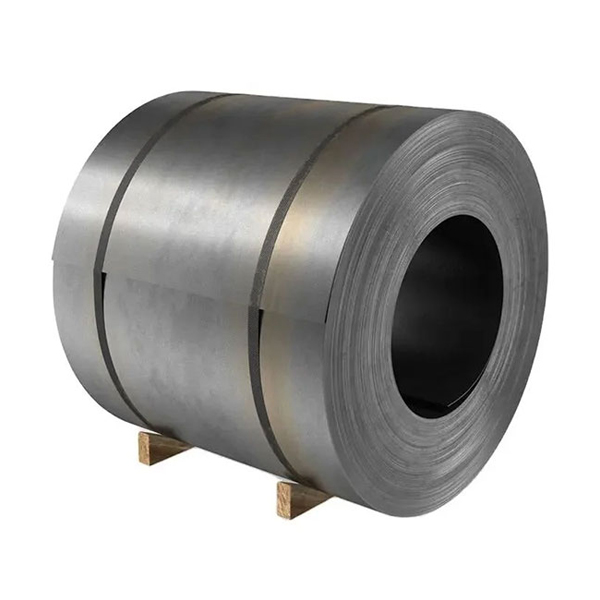
Carbon Steel Plate is a flat-rolled steel product primarily composed of iron and carbon, with carbon content typically ranging from 0.05% to 0.25% for low carbon grades and higher for medium carbon variations. It is produced through hot rolling or controlled rolling processes, resulting in plates with reliable strength, good plasticity, and consistent surface quality.
Due to its balanced mechanical properties and cost efficiency, Carbon Steel Plate is widely used in load-bearing structures, welded fabrications, pressure vessels, shipbuilding, bridges, and industrial equipment manufacturing.
These issues often arise when material specifications are unclear or when the supply source lacks stable quality control. A clear understanding of material fundamentals is essential to avoid costly rework and downtime.
The performance of Carbon Steel Plate is directly influenced by its chemical composition and rolling process. Carbon content determines hardness and tensile strength, while lower carbon levels improve ductility and weldability.
| Carbon Level | Key Characteristics | Typical Uses |
|---|---|---|
| Low Carbon | High ductility, excellent weldability | Structural frames, general fabrication |
| Medium Carbon | Higher strength, moderate machinability | Mechanical parts, industrial components |
Proper rolling and heat treatment further enhance yield strength, impact resistance, and dimensional stability, ensuring reliable performance in demanding conditions.
Carbon Steel Plate is manufactured under various international standards to meet different engineering requirements. Common specifications include ASTM, EN, and GB series grades, each defining chemical composition, mechanical properties, and testing requirements.
Selecting the correct standard ensures compliance with safety regulations and long-term service reliability.
Carbon Steel Plate serves as a core material across multiple industries due to its versatility and predictable behavior during processing.
Material selection should always begin with application requirements rather than price alone. Factors such as load conditions, welding method, environmental exposure, and service life expectations must be evaluated together.
Experienced suppliers such as Wanhetong Steel Co., Ltd. provide technical support to help customers align specifications with real-world use conditions.
| Material Type | Strength | Cost Level | Typical Use |
|---|---|---|---|
| Carbon Steel Plate | Moderate to High | Economical | General industrial structures |
| Stainless Steel Plate | Moderate | High | Corrosion-sensitive environments |
| Alloy Steel Plate | Very High | Higher | High-stress applications |
What thickness range is commonly available for Carbon Steel Plate?
Carbon Steel Plate is typically available from a few millimeters up to heavy plate thicknesses
exceeding 100 mm, depending on rolling capacity and standards.
Is Carbon Steel Plate suitable for welding?
Yes, especially low carbon grades. Proper preheating and welding procedures further reduce
the risk of cracking and distortion.
How can corrosion be managed?
Corrosion protection can be achieved through coatings, painting, galvanizing, or selecting
suitable environmental controls during service.
Carbon Steel Plate remains a critical material for industries seeking a balance between mechanical performance, processing flexibility, and cost efficiency. By understanding composition, standards, and application requirements, buyers can significantly reduce project risks and lifecycle costs.
Wanhetong Steel Co., Ltd. supplies Carbon Steel Plate with stable quality, clear documentation, and professional technical support. For tailored specifications, project consultation, or bulk supply solutions, contact us today to discuss your requirements and receive reliable material support for your next project.